

Our Blog
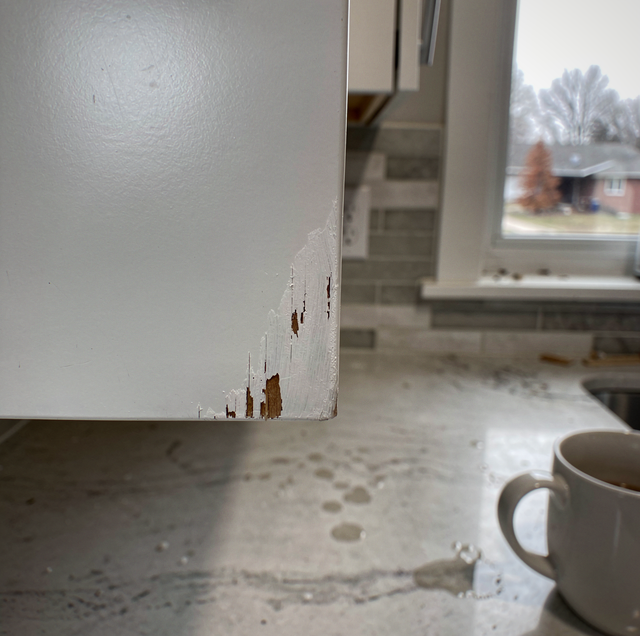
6 Signs Your Cabinets Need Repainting, Not Just Cleaning
You reach for the cabinet door next to the stove the way you have a thousand times, and this time your fingers stick a little.
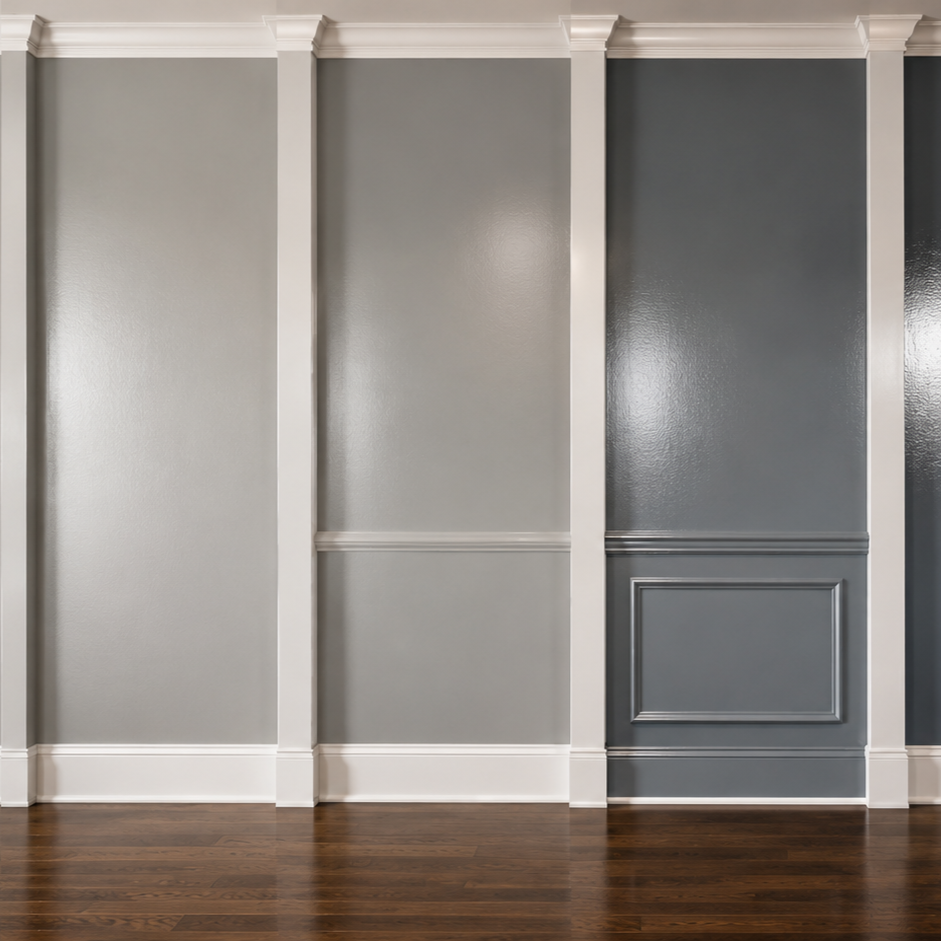
How to Choose the Right Paint Sheen for Every Room (Flat vs. Eggshell vs. Semi-Gloss)
You paint the hallway a beautiful neutral gray. Three months later, there is a dark streak where someone's shoulder grazes the wall every time they walk past. It won't wipe off. The color is fine. The problem is the sheen — or the lack of it.
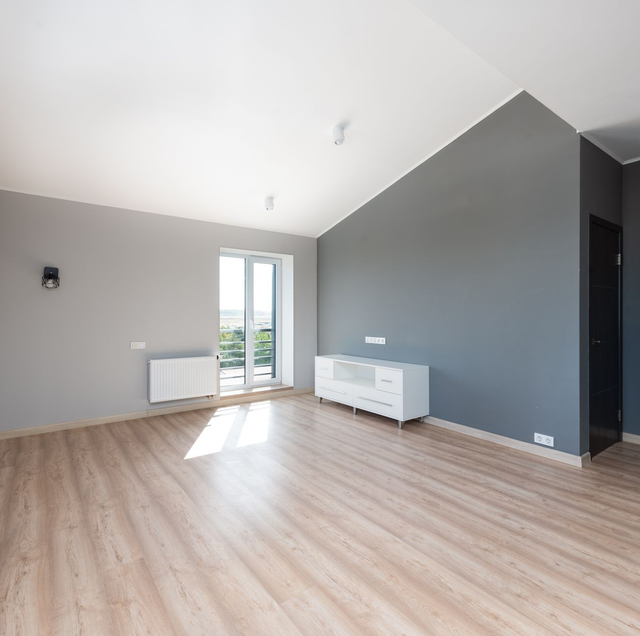
Paint Sheen by Room: The 5-Level Guide to Getting It Right
Color gets almost all the attention when people plan a repaint, but sheen quietly decides how a room looks under real light and how it holds up to real life.
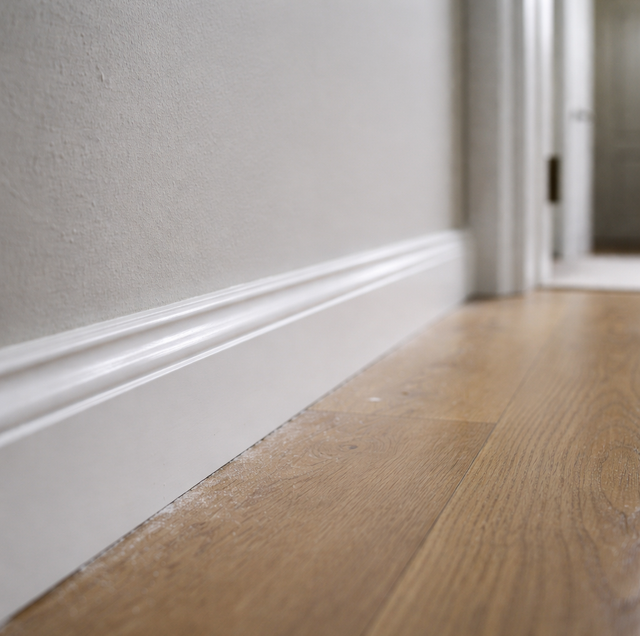
How to Paint Trim and Doors for a Finish That Lasts
Trim and doors carry the whole house at eye level. Baseboards, casings, and door edges sit right where hands touch, shoes scuff, and daylight rakes across the surface.
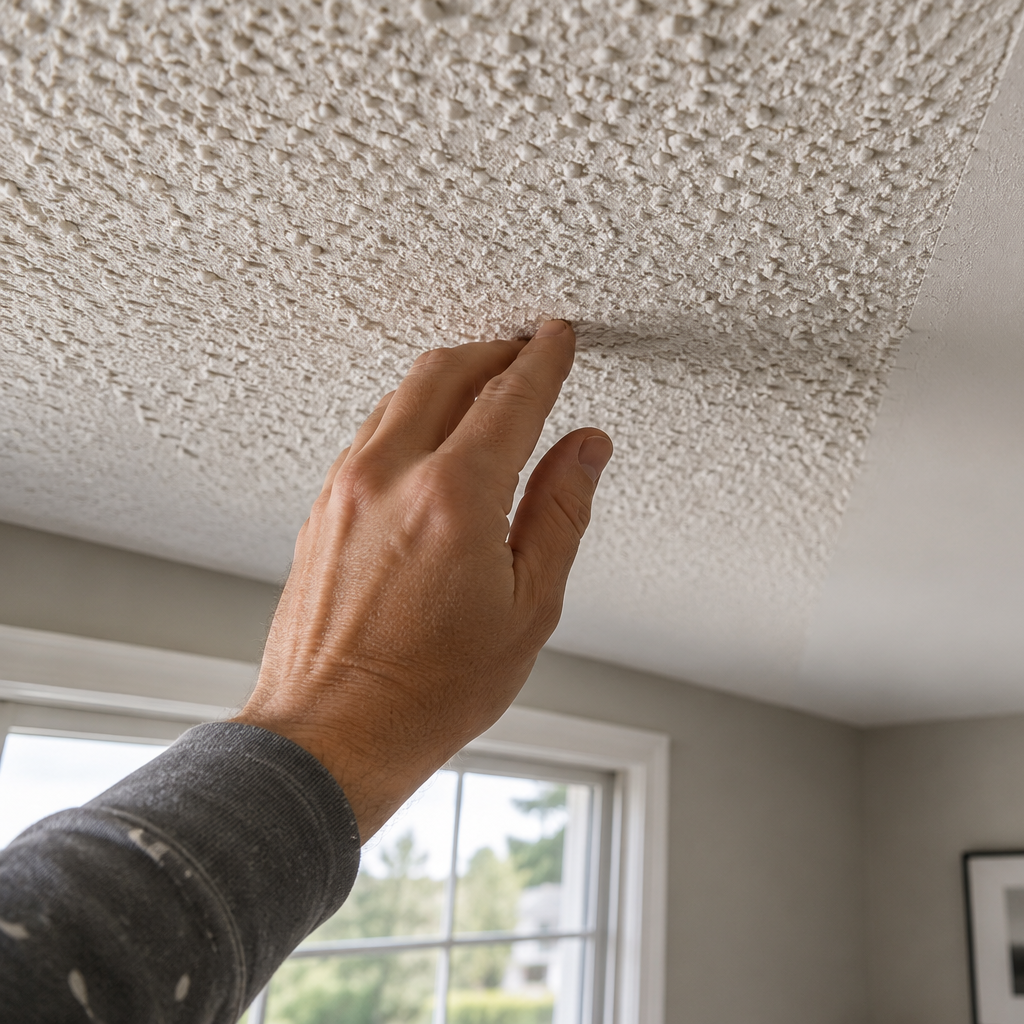
Popcorn Ceiling: Remove It or Skim Coat Over It?
The ceiling in the upstairs bedroom has been bothering you since you moved in. That stippled texture — the kind that looks like someone fired a sponge cannon at wet paint and then walked away — catches the light every morning at an angle that makes the room feel like a beige cave. You've finally decided to deal with it. The question is whether to scrape it off or cover it over.
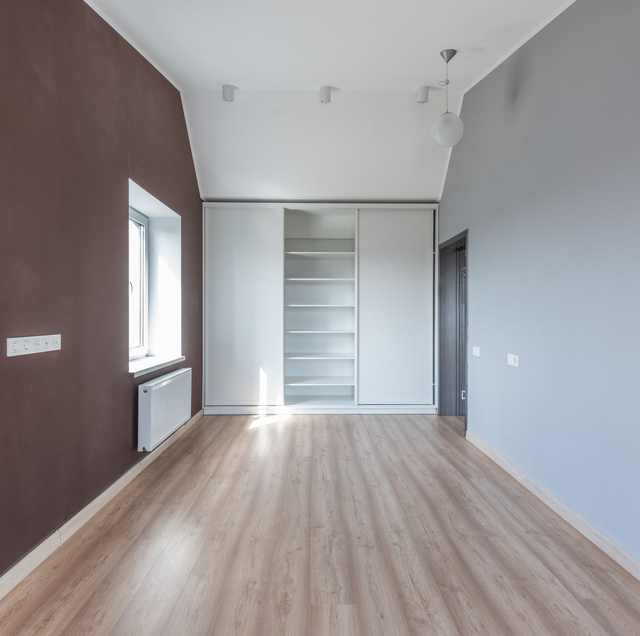
Interior Paint Colors That Last: How to Choose Ones That Won’t Date
Most people pick a color from a two-inch chip under store lighting, love it, and regret it within a year.
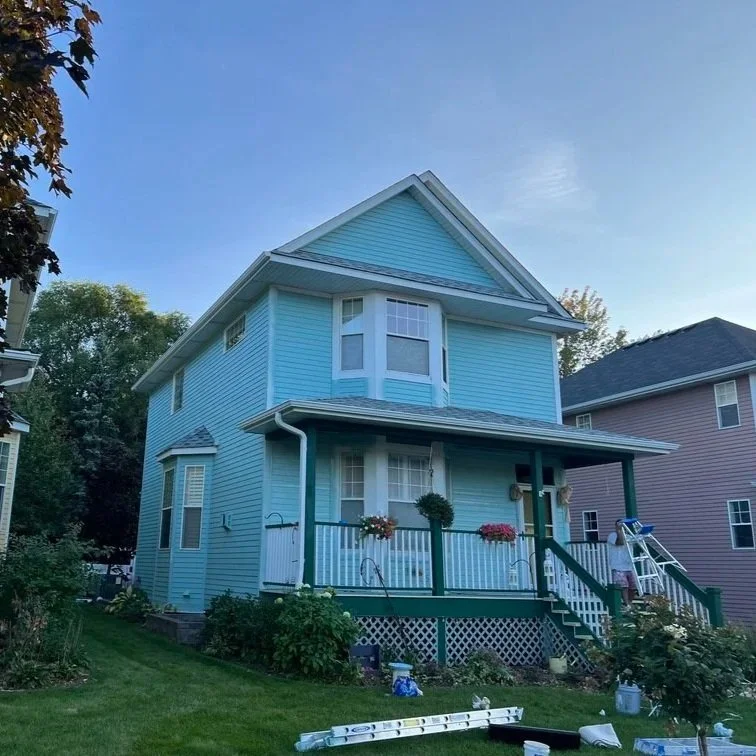
How Much Does Exterior Painting Cost in the Twin Cities?
You get two or three quotes and they're not even close to each other. One comes in at $4,800. Another is $9,400. A third is somewhere in the middle. All three contractors walked around the same house. How do the numbers end up that far apart?
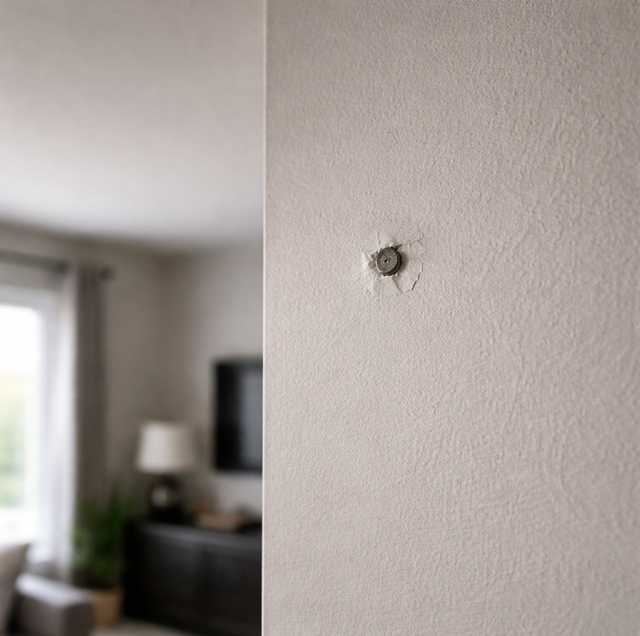
Drywall Nail Pops: Why They Return and How to Stop Them
You wiped down the wall before painting and felt it: a small round bump near the ceiling, maybe with a hairline crack or a flake of compound already lifting.
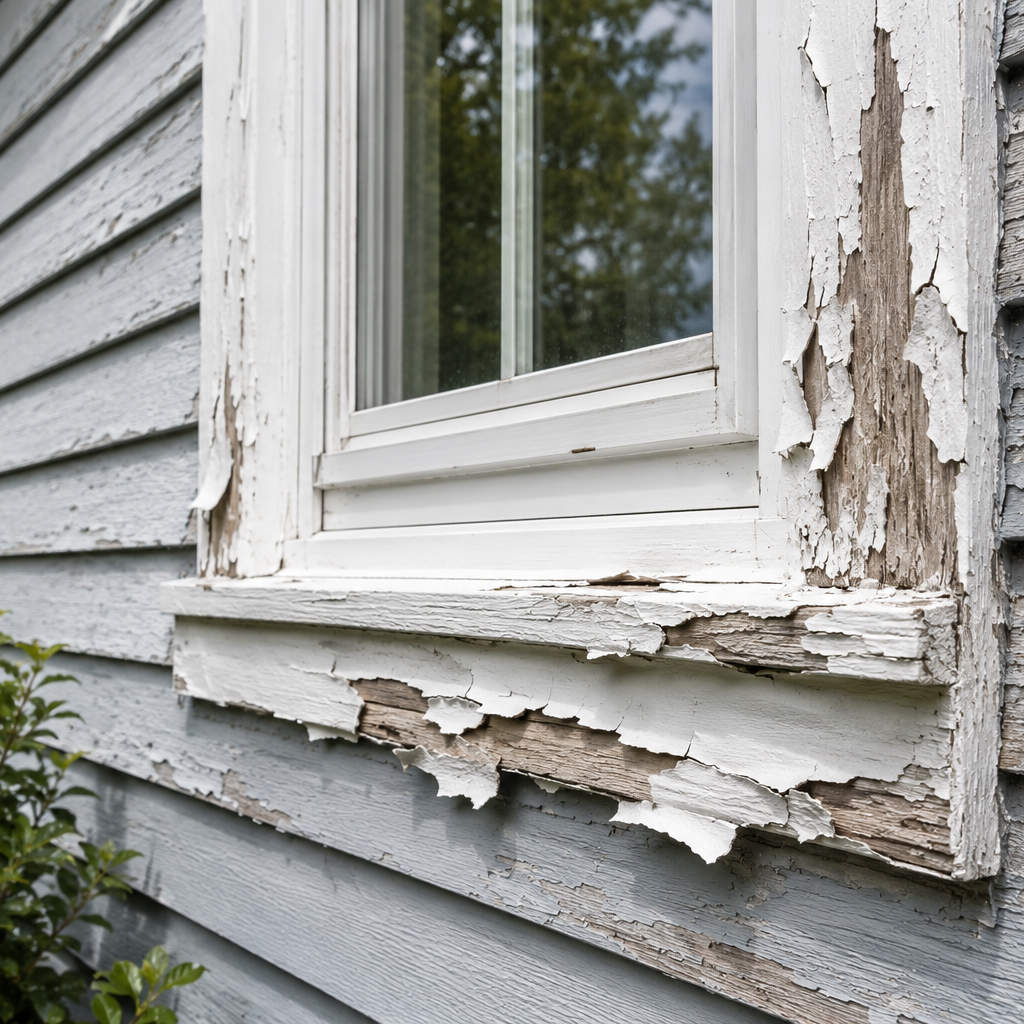
Why Is My Exterior Paint Peeling? Subsurface Moisture
The paint on the back of your house is coming off in chips around the window trim — not crumbling, just curling up at the edges and letting go in sheets. You painted that side two summers ago. Maybe three.
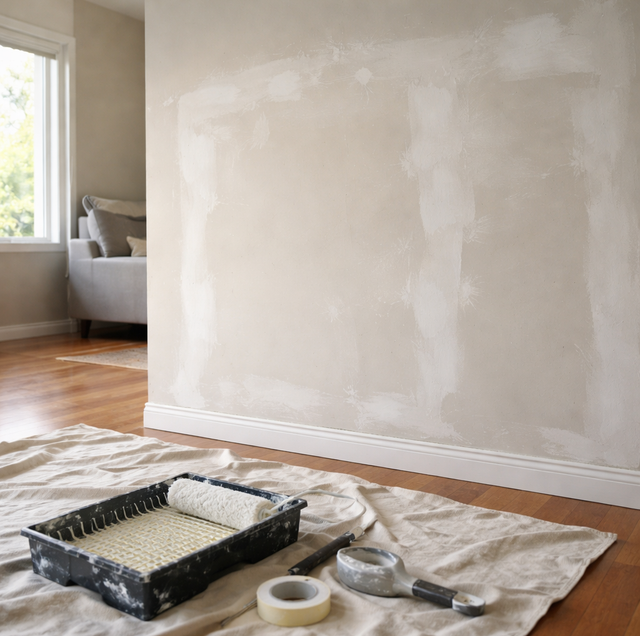
Do You Need Primer? When It Actually Matters
Primer sits in a strange spot. Most people either treat it as a mandatory extra step for every project or skip it entirely to save a coat, and both habits waste effort or invite failure.
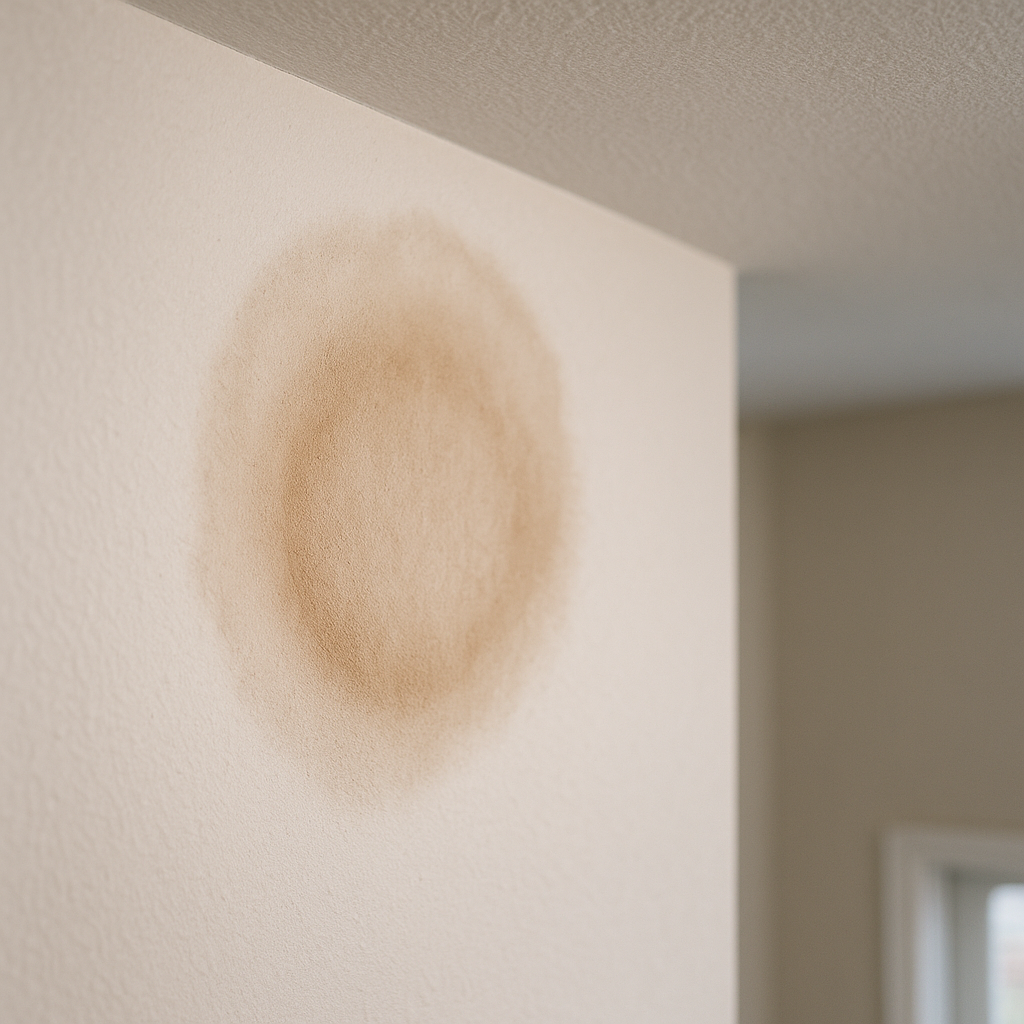
Why Is My Ceiling Stained? Read the Marks to Find the Cause
You look up, and something has changed. Maybe it is a coffee-colored ring spreading in one corner, a gray cloudiness creeping along an outside wall, or a set of shadowy stripes marching across the ceiling in neat rows. It is easy to reach for a can of paint and cover it, but a ceiling stain is really a symptom. The mark itself tells you what went wrong, and if you read it correctly, you can fix the actual cause instead of hiding it for a few weeks.
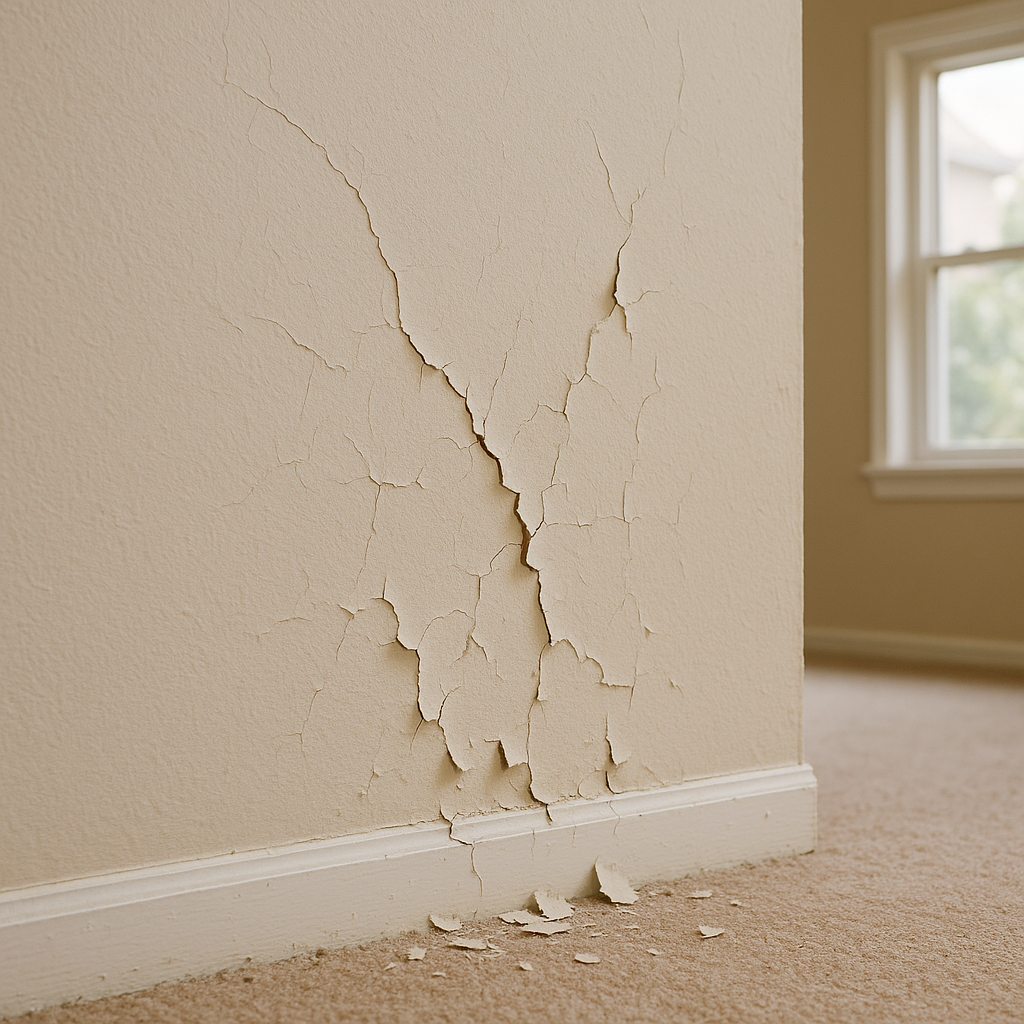
Why Does My Paint Crack and Flake Over Time?
You notice it first as a spiderweb of hairline cracks on a wall or a piece of trim. Ignore it a while, and the cracks widen, the edges lift, and soon little flakes are letting go and landing on the floor. Paint that cracks and flakes always feels like the paint's fault, but it is almost never the paint by itself. It is a failure of the bond between the paint and whatever is underneath.
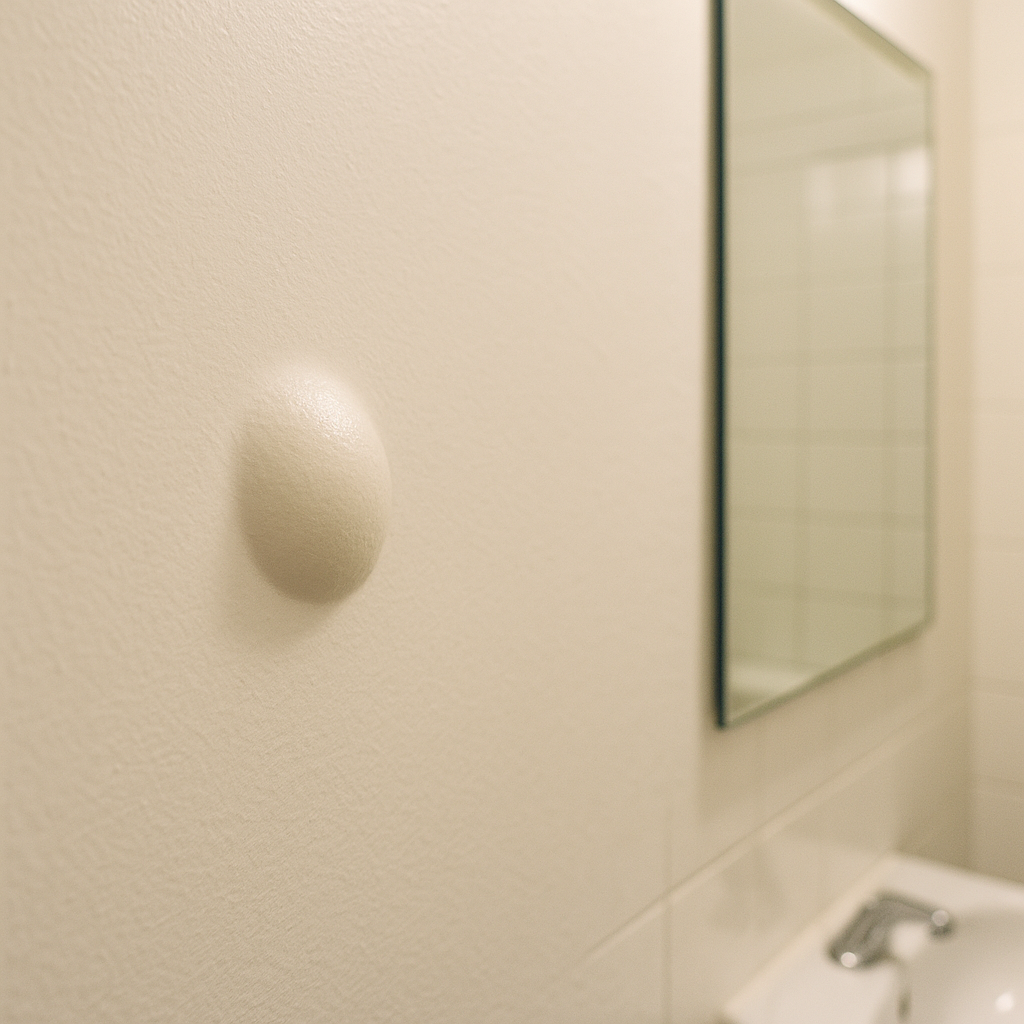
What Causes Paint to Bubble or Blister — and What It's Telling You
A raised bubble in a fresh coat of paint reads like a manufacturing flaw, as if the can was bad. It almost never is. A blister is a small dome where the paint film has lifted away from whatever sits beneath it, and something either pushed it up from behind or loosened its grip. The paint is the messenger here, not the culprit. Read the blister correctly, and it points straight at the cause, which is the only thing worth fixing before you paint again.
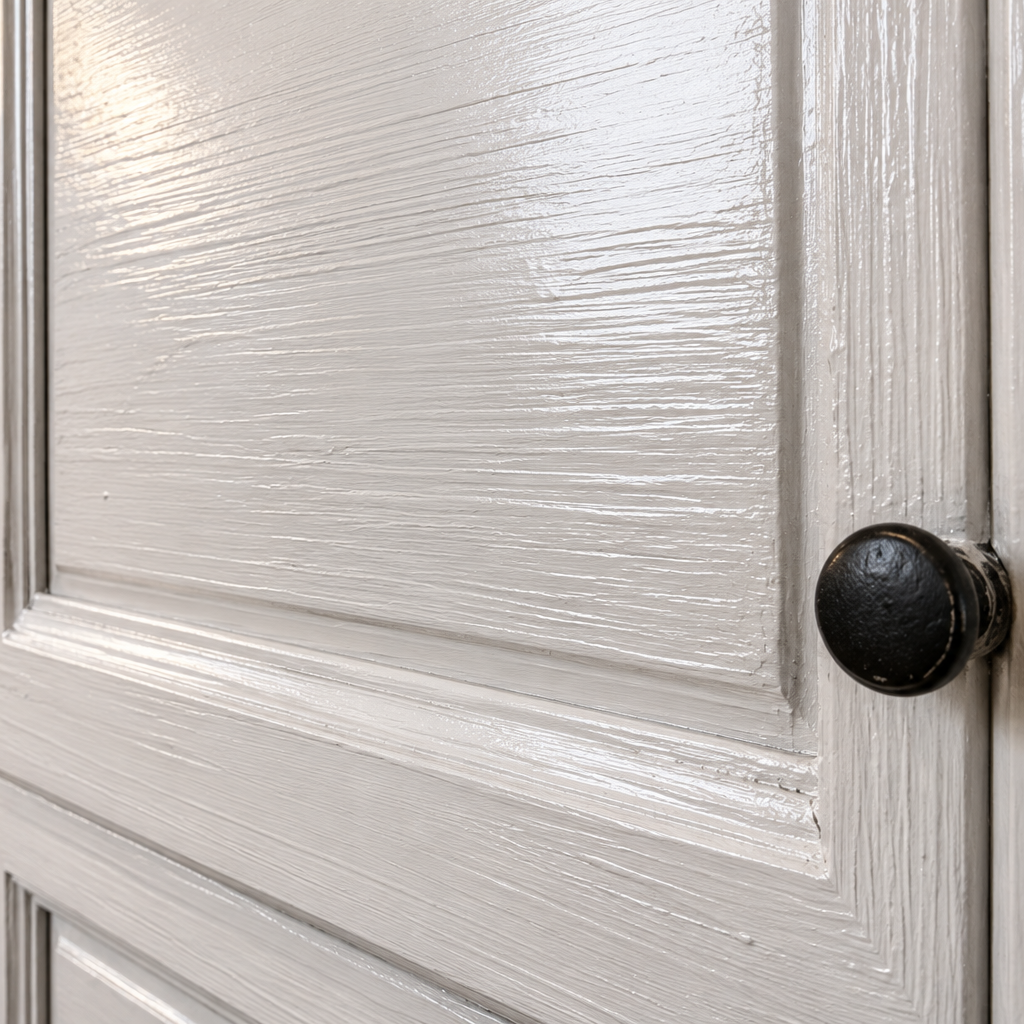
Why Factory-Smooth Cabinet Finishes Fail When DIYed
You painted your kitchen cabinets a few weeks ago. They looked passable right off the brush. Now you're catching them in afternoon light and every stroke mark reads clear as a topographic map — ridges dragging left to right across the door panel, a faint roller stipple near the edge, and a sticky patch by the pull that still hasn't hardened.
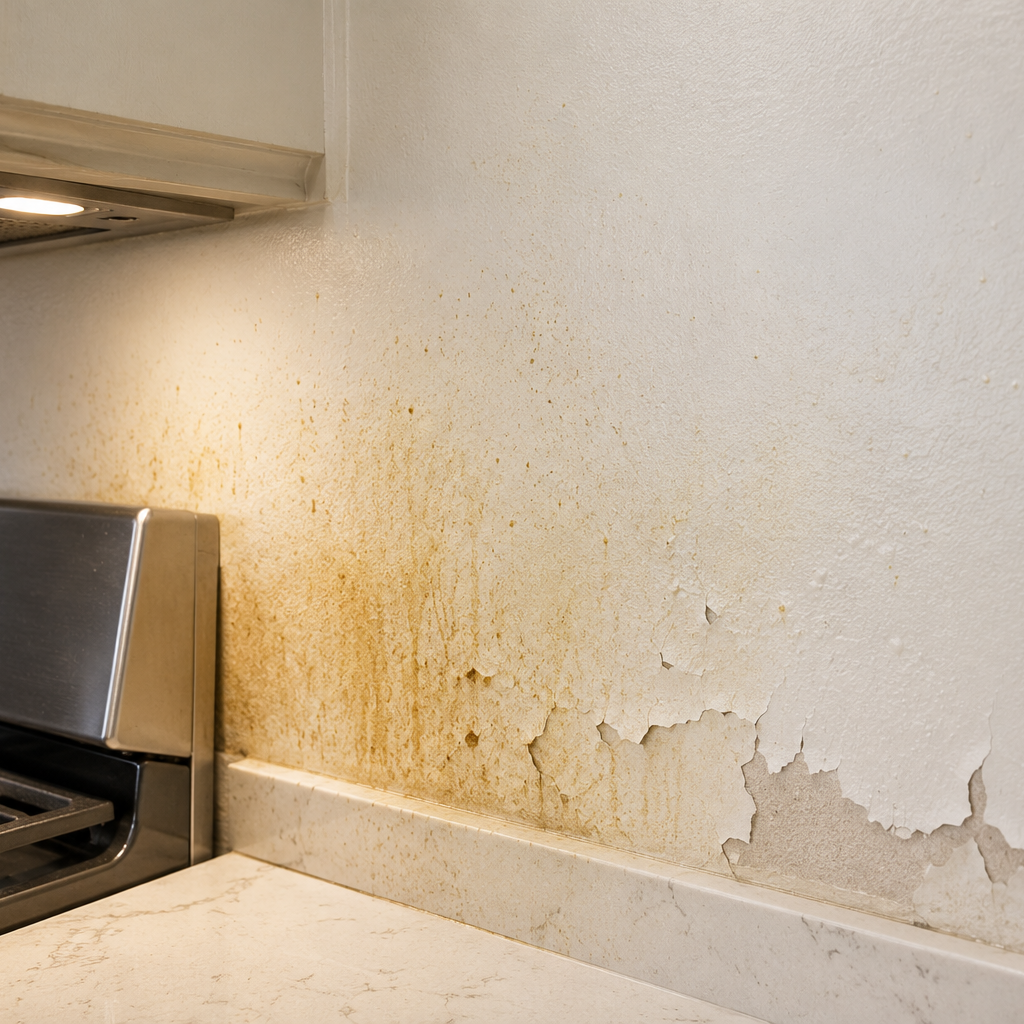
What Type of Paint Holds Up Best to Kitchen Grease and Oils?
You're wiping down the wall next to the stove and the color comes off on the rag. Not in sheets — just a smear, a dull patch, the finish gone soft where the grease worked in. It happened to the cabinet faces six months after the last paint job too. The paint wasn't cheap. The problem was never the price.
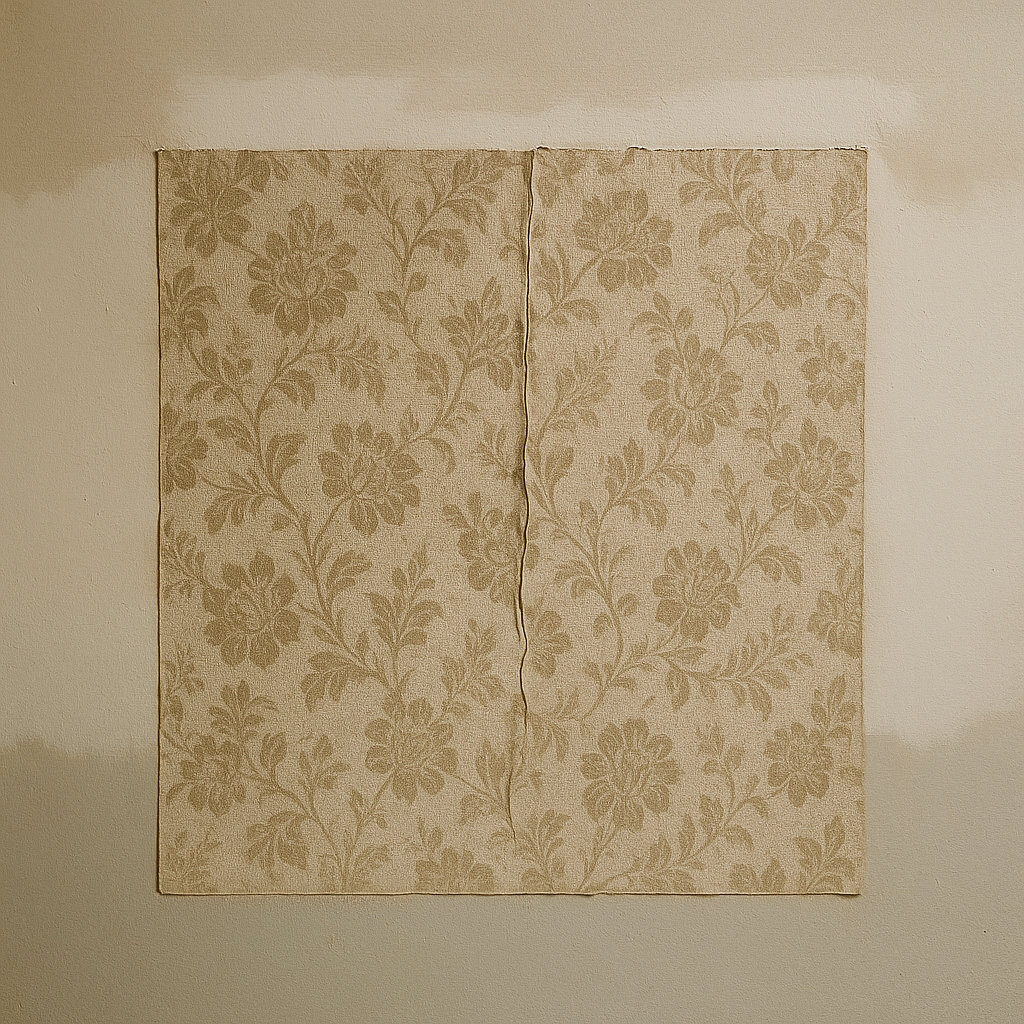
Painting Over Wallpaper vs. Removing It: Which Holds Up?
You are standing in a room with dated wallpaper, a paintbrush in one hand and a scraper in the other, trying to decide which tool wins. Painting straight over the paper looks like a shortcut. Stripping it looks like the right thing to do. Both instincts are half correct, and which one applies depends less on how much time you have and more on what is happening behind that paper.
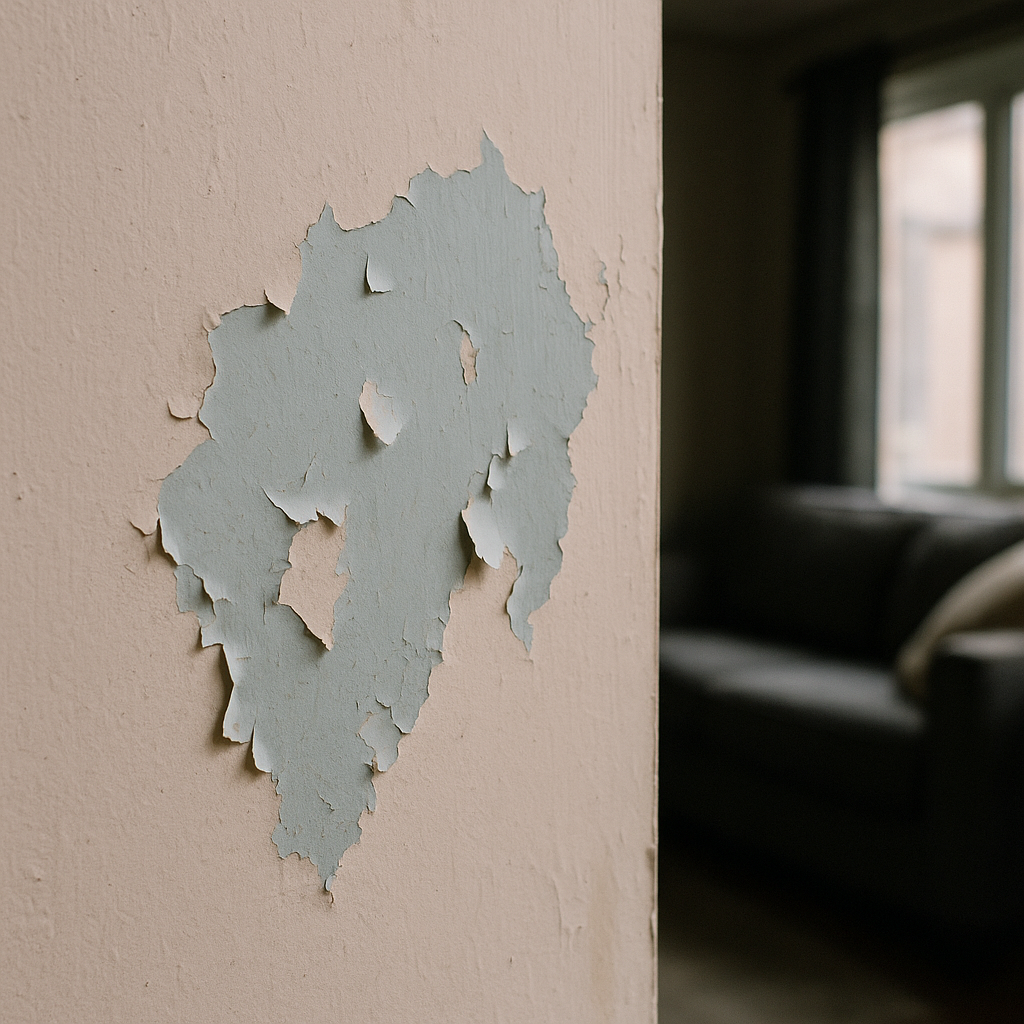
How to Prep Walls for a Lasting Paint Job: 6 Steps That Decide the Outcome
Most people judge a paint job by the last hour of work, the moment the roller lays down that final coat. The people who do this for a living judge it by the first few hours, before a single drop of color touches the wall. That is not stubbornness. It is physics.
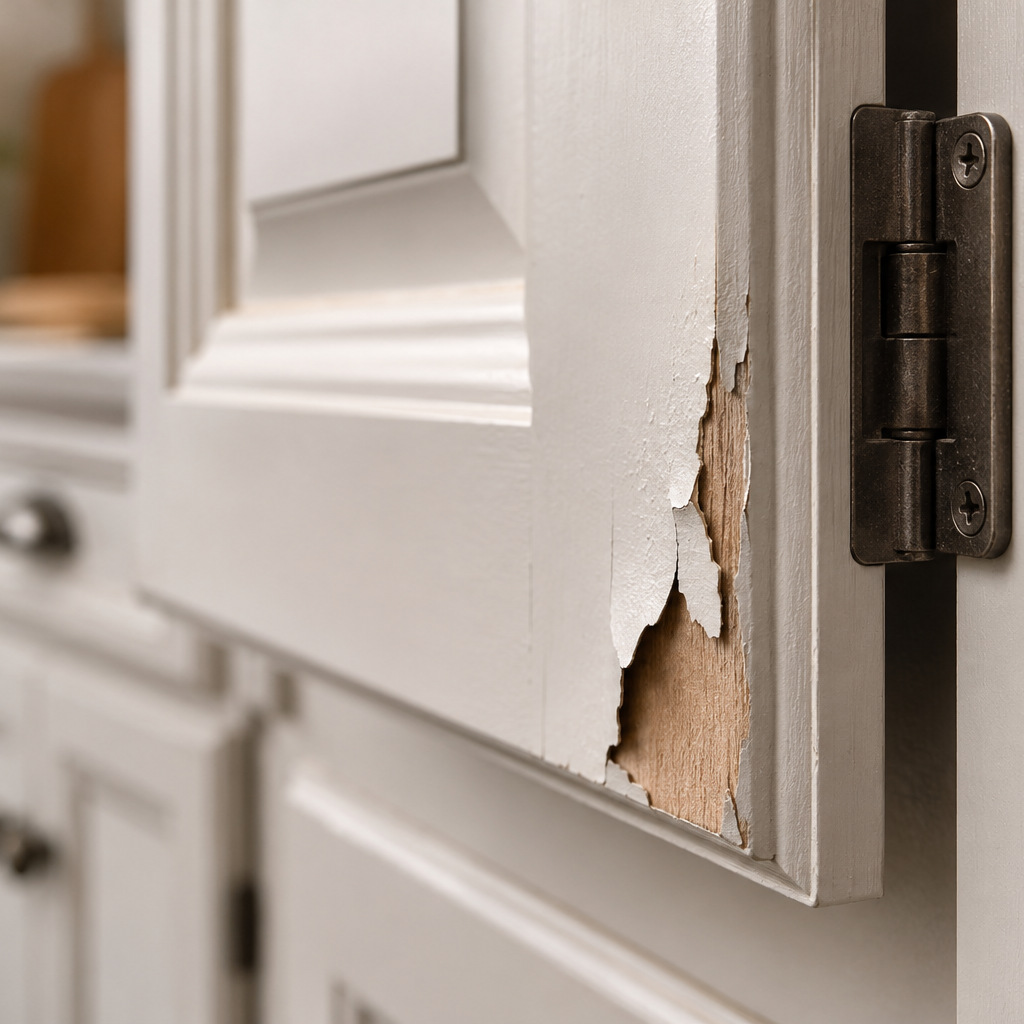
How to Prep Cabinets for Paint: Why Skipping This Step Leads to Immediate Chipping
The first chip shows up somewhere embarrassing. Right at the corner of the door where your hand hits it every morning reaching for the coffee mugs — and the paint breaks off clean, a little flake the size of a thumbnail, exposing bare wood underneath.
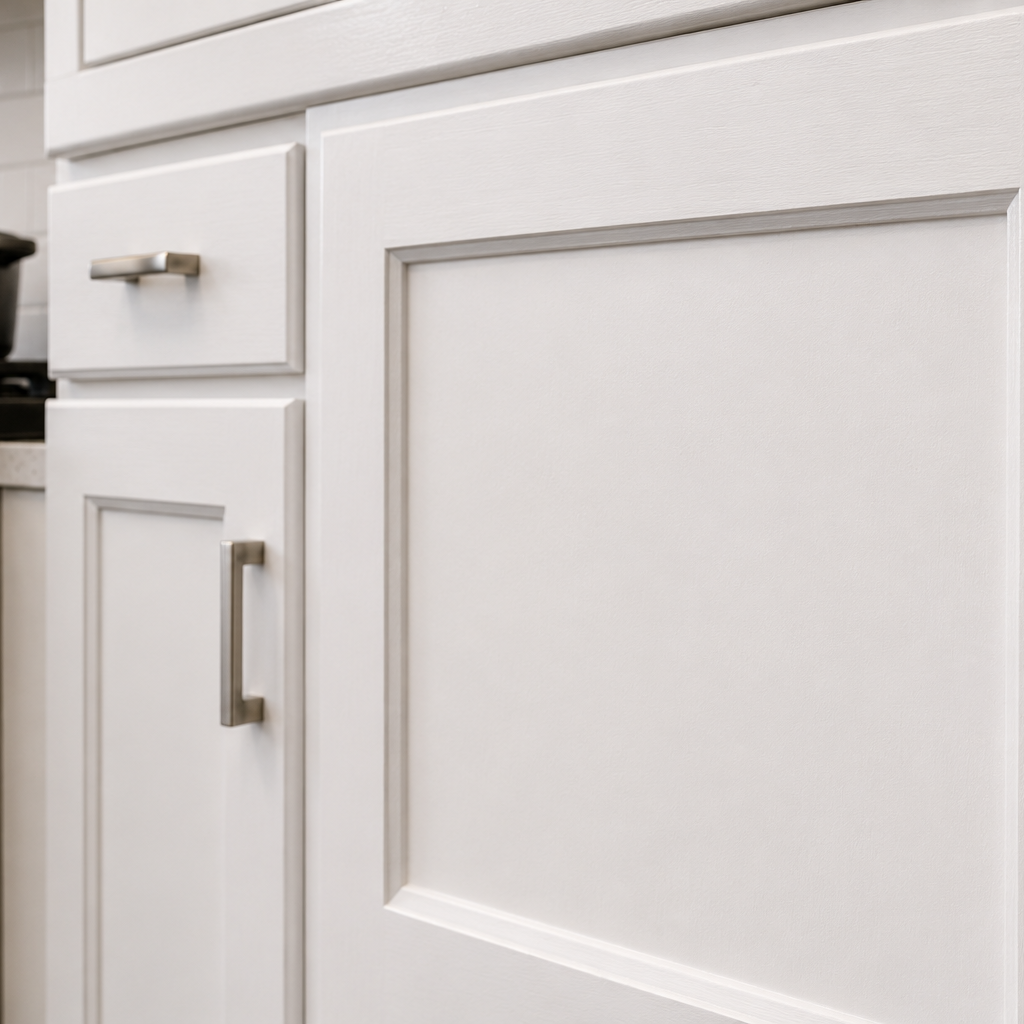
How to Paint Oak Cabinets and Hide the Wood Grain
You paint the cabinets white. They look fine when the paint goes on wet. Then it dries — and every line of that cathedral grain is back, running through the surface like a ghost print. That's oak. And it's the single reason most DIY cabinet refinishing projects don't end up looking like the before-and-after photos.
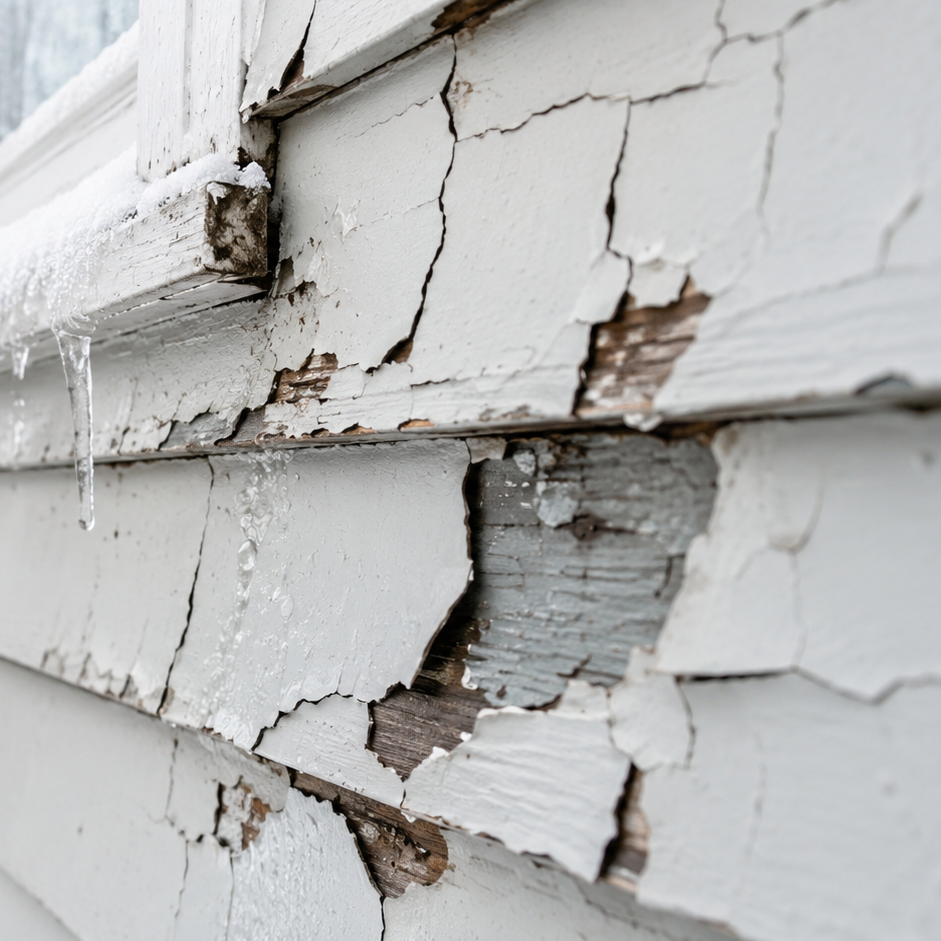
Why Minnesota Winters Make Your Exterior Paint Peel
Every spring in the Twin Cities, homeowners walk out after the snow melts and find the same thing: paint flaking off the siding, peeling around windows, curling at the trim. It's discouraging, especially if the house was painted not long ago. The cold gets the blame, but the real culprit is what the cold does with water. Minnesota winters combine moisture and freeze-thaw in a way that pries paint right off a surface — and once you understand that you can see why some paint jobs survive, and others don't.