
The Best Time of Year to Paint in Minnesota (and What to Avoid)
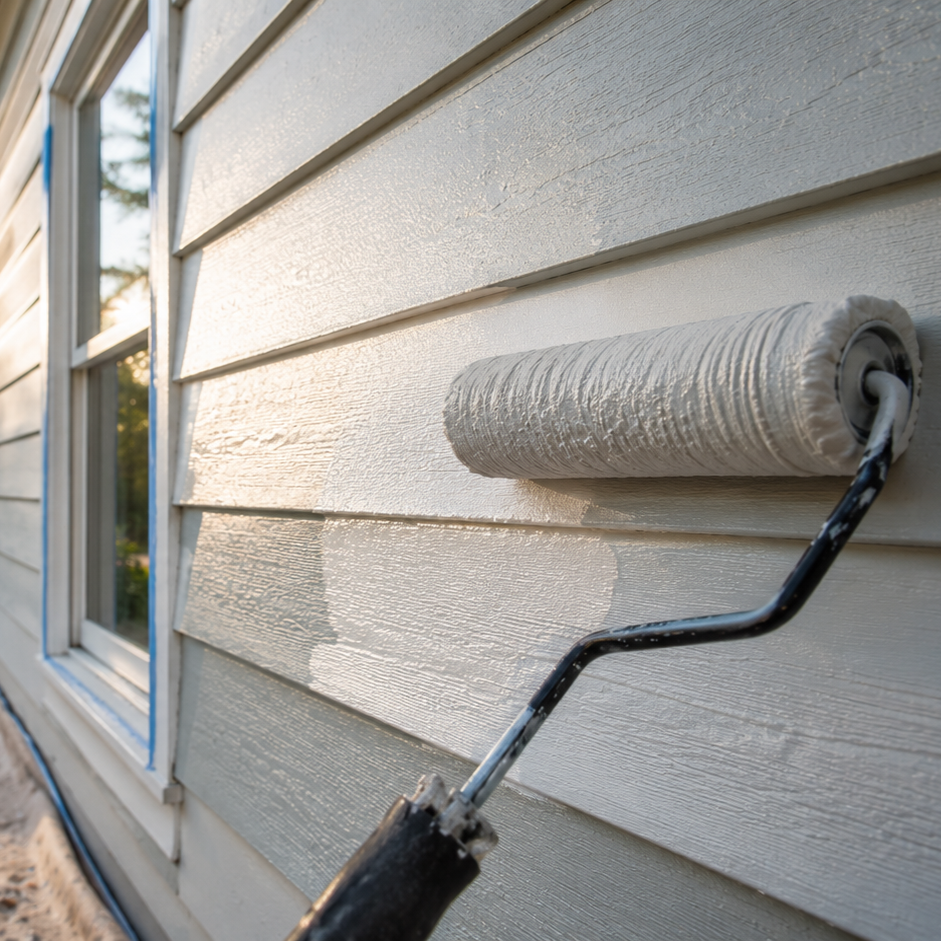
Quick Answer: The best time to paint a Minnesota exterior is late spring through early fall — roughly May into September or early October — when temperatures stay in the range paint needs to cure and humidity is manageable. Paint needs warm-enough, stable temperatures (and dry surfaces) to bond and cure properly, which rules out the cold months. Avoid painting in freezing weather, in high humidity or rain, or in direct blazing sun. Interior painting can be done year-round since it's climate-controlled, which makes winter a smart time for indoor projects.
In Minnesota, the calendar determines much of exterior painting. You can't just paint whenever the mood strikes — paint is a chemical product that needs the right conditions to cure into a durable finish, and a Minnesota winter offers the opposite of those conditions. The state's short warm season means there's a real window for exterior work, and timing a project within it is one of the simplest things you can do to make the paint last. Here's when that window is and why it matters.
Paint Needs the Right Conditions to Cure
Paint doesn't just dry — it cures, a process where it forms its durable, protective film, and that process depends on temperature and moisture. If it's too cold, the paint can't cure properly and won't bond or form a sound film; if the surface is wet or the humidity is too high, the paint won't adhere or dry properly; if it's blazing hot and sunny, the paint can dry too fast and not bond well. So the goal is a window with warm-enough, reasonably stable temperatures, dry surfaces, and moderate humidity. In Minnesota, that window is limited, which is exactly why timing matters so much here.
The Exterior Painting Window: Late Spring to Early Fall
For exterior painting in Minnesota, the sweet spot runs from late spring through early fall — generally May into September or early October, depending on the year's weather. During these months, daytime temperatures reliably sit in the range paint needs, nights usually stay warm enough, and you get stretches of dry weather for the paint to cure. This is the season to schedule exterior work.
Because that window is relatively short and in demand, timing and planning matter. The warm season fills up, and the weather still has to cooperate within it, so planning an exterior project ahead rather than waiting until the last warm weeks helps you get it done in good conditions. Late fall is a gamble as temperatures drop, and once hard cold sets in, exterior painting has to wait for spring.
What to Avoid
Freezing and Cold Weather
Painting in cold weather is the big one to avoid. When temperatures fall below what the paint is rated for, it can't cure properly — it may not bond, can crack or peel, and won't form a durable film. Minnesota winters are far too cold for exterior painting, which is why the season is effectively closed in the cold months.
Rain and High Humidity
Moisture is the enemy of a curing finish. Painting on a damp surface, in the rain, or in very high humidity keeps the paint from adhering and curing correctly. Even within the warm season, it's important to paint on dry surfaces and avoid days when rain or heavy humidity will interfere with curing.
Blazing Direct Sun
Extreme heat and direct sun can cause paint to dry too quickly, before it has a chance to bond properly, which can hurt adhesion and the finish. On very hot, sunny days, following the shade around the house — painting surfaces while they're not in direct blazing sun — helps the paint go on and cure better.
| Condition | Good for exterior painting? |
|---|---|
| Late spring to early fall, mild and dry | Yes — the ideal window |
| Freezing or cold weather | No — paint can't cure properly |
| Rainy or high humidity | No — paint won't adhere/cure |
| Blazing direct sun, extreme heat | Avoid — dries too fast, poor bond |
| Any season, indoors (climate-controlled) | Yes — interior painting works year-round |
Winter Is for Interior Projects
Here's the upside of Minnesota's long winters: interior painting can be done year-round, because indoor spaces are climate-controlled and stay in the right temperature and humidity range regardless of what's happening outside. That makes the cold months a smart time to tackle interior repaints, cabinet refinishing, and other indoor work — exactly when you can't paint outside, and you're spending more time indoors anyway. So while the exterior window is seasonal, there's productive painting to be done all year by matching the project to the season: outside in the warm months, inside in the cold ones.
Plan exterior projects for the warm season early — the window is short and books up. And flip the calendar to your advantage: use Minnesota's long winters for interior repaints and cabinet work, so your outdoor window stays open for the exterior jobs that truly need it.
Frequently Asked Questions
Late spring through early fall — roughly May into September or early October, depending on the weather that year. During these months, temperatures reliably stay in the range that paint needs to cure, nights are warm enough, and there are dry stretches for the finish to set. This is the window to schedule exterior painting. Because it's relatively short and in demand, planning ahead helps you get the job done in good conditions.
Because paint needs warm-enough temperatures to cure into a durable film, Minnesota winters are far below that threshold. In cold weather, paint can't bond or cure properly — it may crack, peel, or fail to form a sound protective layer. Freezing conditions and the moisture from snow and ice make exterior painting unworkable in the cold months, so it has to wait for the warm season.
Yes. Moisture interferes with paint curing, so painting on a damp surface, during rain, or in very high humidity keeps the paint from adhering and drying correctly, leading to a poor, less durable finish. Even during the warm painting season, it's important to work on dry surfaces and choose days when rain or high humidity won't disrupt the cure. Dry conditions are part of what makes the late-spring-to-early-fall window ideal.
Extreme heat and direct blazing sun can cause problems by drying the paint too fast, before it bonds properly, which hurts adhesion and the finish. It's best to avoid painting surfaces while they are in direct, intense sun on very hot days. A common approach is to follow the shade around the house, painting each surface when it's out of the direct sun, so the paint can go on and cure properly.
Yes — interior painting can be done year-round in Minnesota because indoor spaces are climate-controlled and stay in the right temperature and humidity range, no matter the weather outside. That makes winter an ideal time for interior repaints, cabinet refinishing, and other indoor projects, especially since exterior work isn't possible in the cold. Matching indoor projects to the winter months makes good use of the season.
Match the Project to the Season
In Minnesota, timing is one of the easiest ways to get a paint job that lasts. Exterior painting belongs in the late-spring-to-early-fall window, when temperatures and humidity let the paint cure into a durable finish — and it should avoid freezing weather, rain, high humidity, and blazing sun. Interior painting, by contrast, works year-round in climate-controlled spaces, making winter the right time for indoor projects. Paint outside in the warm months, inside in the cold ones, and the conditions work for your finish instead of against it.
Planning a painting project around Minnesota's seasons? — Get the timing and the finish right with Twin Cities painting pros for interior and exterior work. Cesar's Painting serves Minneapolis, St. Paul, Bloomington. Call (612) 203-5856.
