
How Often Should You Really Repaint Your Home's Exterior?
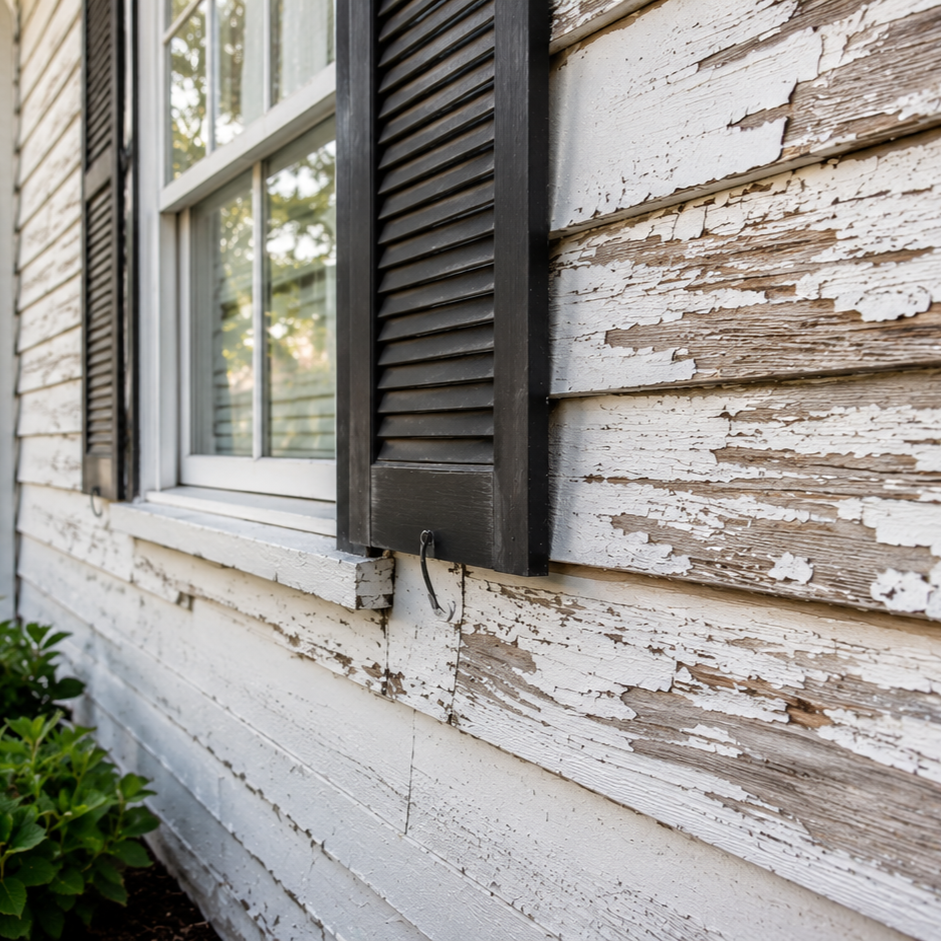
Quick Answer: Most homes need exterior repainting roughly every 5 to 10 years, but the range depends heavily on the siding material, the quality of the last paint job, and the climate. Wood siding often needs it sooner; properly painted fiber cement or stucco can go longer. A harsh climate like Minnesota's — with sun, moisture, and freeze-thaw — shortens the interval. Rather than going strictly by years, watch for the signs it's due: fading, chalking, peeling or cracking paint, and exposed or weathering wood. Repainting before the old coat fails protects the surface underneath.
You look at the house and wonder if it's time — the color's a little tired, maybe there's some fading on the sunny side, but it's not obviously falling apart. Knowing when to repaint a home's exterior is tricky because there's no single answer; it depends on what your house is made of and what climate it lives in. In Minnesota, where paint takes a beating from summer sun and brutal winters, the timeline runs shorter than the national rule of thumb. The better approach is to know the typical range and then let the house tell you when it's actually due.
There's a Range, Not a Fixed Number
The common guideline is that exterior paint lasts 5 to 10 years before repainting. That's a useful starting point, but it's a wide range for a reason: how long your paint actually lasts depends on several factors specific to your home. Treating it as a fixed schedule misses the point — a wood house in a harsh climate with a budget paint job needs repainting far sooner than a well-painted fiber cement house in a mild one. So the real answer comes from understanding what drives the timeline and then reading your own home's condition.
What Affects the Timeline
The Siding Material
What your house is made of is one of the biggest factors. Wood siding generally needs repainting more often, because it's more affected by moisture and the elements, and the paint is doing more work to protect it. Fiber cement and properly maintained stucco can hold paint longer. Different materials weather differently, so the same paint lasts different lengths of time depending on what it's on.
The Quality of the Last Paint Job
A paint job is only as durable as its prep and products. A previous job with thorough surface prep, proper priming, and quality paint lasts significantly longer than one that skipped steps or used cheap paint. This is why two identical houses can need repainting years apart — the one that was painted properly the first time stretches the interval. Good work upfront pays off in how long you go between repaints.
The Climate and Exposure
Climate is a major driver, and Minnesota's is demanding. Intense summer sun fades and degrades paint, moisture and humidity swings stress it, and freeze-thaw cycles work at any weak spots all winter. A harsh climate shortens the repaint interval compared to a mild one. Exposure matters within a single house too: the sun-blasted south and west sides, and any wall taking the brunt of the weather, often need attention before shadier, sheltered sides.
| Factor | Repaint sooner | Repaint later |
|---|---|---|
| Siding material | Wood | Fiber cement, well-kept stucco |
| Last paint job | Thin prep, cheap paint | Proper prep, primer, quality paint |
| Climate | Harsh sun, freeze-thaw (MN) | Mild, stable |
| Exposure | South/west, weather-facing walls | Shaded, sheltered sides |
The Signs It's Actually Due
Rather than counting years, watch the paint itself — it shows when it's reaching the end. Fading, especially on the sunny sides, means the paint is breaking down under UV. Chalking — a powdery residue that comes off on your hand when you rub the surface — is paint degrading. Peeling, cracking, flaking, and blistering are clear signs that the film is failing, and water can get behind it. Bare or graying wood showing through is a sign that the protection is gone, and the material is exposed. Caulk that's cracked or pulling away from seams and trim is another cue. When these show up, it's time, regardless of how many years it's been.
The reason to act on the signs and not wait is protection. Paint isn't just color — it's the barrier that keeps moisture out of your siding. Repainting before the old coat fully fails keeps that barrier intact and protects the surface underneath; letting paint peel and expose bare wood invites the moisture damage that's expensive to fix, especially in a freeze-thaw climate. A timely repaint is far cheaper than replacing siding that rotted because the old coat was left to fail. In that sense, repainting on schedule is as much maintenance as it is a cosmetic update.
Once a year, do a quick walk around the house and rub your hand on a sunny wall. Powder on your hand (chalking), fading, any peeling, or wood showing through means the clock's up — those signs matter more than the date of the last paint job, and catching them early protects the siding.
Frequently Asked Questions
The general guideline is every 5 to 10 years, but the right interval depends on your siding material, the quality of the last paint job, and your climate. Wood siding and harsh climates like Minnesota's push toward the shorter end, while properly painted fiber cement or stucco in mild conditions can go longer. Rather than relying only on the calendar, watch for signs like fading, chalking, and peeling, which tell you when it's actually due.
Yes, significantly. Wood siding generally needs repainting more often because it's more vulnerable to moisture and the elements, while fiber cement and well-maintained stucco tend to hold paint longer. The material affects how hard the paint has to work and how quickly it weathers. So two homes painted at the same time with the same paint can need repainting years apart simply because of what they're made of.
Because Minnesota's weather is hard on paint from multiple directions. Intense summer sun fades and breaks down the finish, big humidity and temperature swings stress it, and winter freeze-thaw cycles pry at any weak spots. All of that degrades exterior paint faster than a mild, stable climate would. As a result, homes here often need repainting toward the sooner end of the typical range, and watching for wear is especially important.
The clearest signs are fading (especially on sunny sides), chalking (a powdery residue on the surface), and peeling, cracking, flaking, or blistering paint. Bare or graying wood showing through, and caulk that's cracked or pulling away from seams, are also strong cues. When these appear, the paint is failing as a protective barrier, and it's time to repaint, regardless of how long it's been since the last job.
Yes, because paint protects the siding from moisture, and once it fails, that protection is gone. Letting paint peel and expose bare wood lets water reach the material, leading to rot, swelling, and damage that's far more expensive to fix than a repaint — and freeze-thaw cycles accelerate that damage in Minnesota. Repainting before the old coat fully fails keeps the barrier intact and protects what's underneath, which is cheaper than repairing water-damaged siding later.
Let the House Set the Schedule
Most exteriors need repainting somewhere in the 5-to-10-year range, but the real timeline depends on your siding, the quality of the last job, and the climate — and Minnesota's sun and freeze-thaw push it shorter. Instead of counting years, watch for the signs: fading, chalking, peeling, and exposed wood. Those tell you the paint's protective barrier is wearing out. Repaint before it fully fails, and you keep moisture out of the siding rather than paying to repair it later.
Wondering if your home's due for a repaint? — Get an honest assessment and a durable, properly prepped exterior paint job from Twin Cities pros. Cesar's Painting serves Minneapolis, St. Paul, Bloomington. Call (612) 203-5856.
