
Signs It’s Time to Repaint Your Cabinets, Not Replace Them
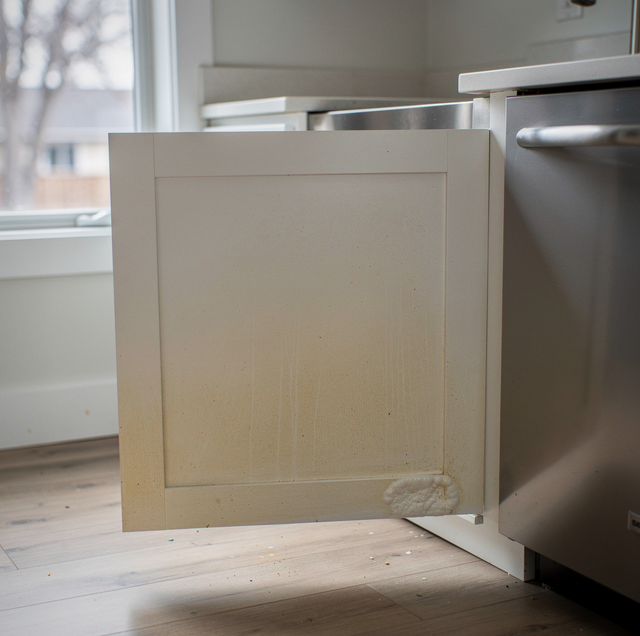
Open the cabinet door under the kitchen sink and press a thumb against the bottom edge. If it gives slightly, or the paint has puffed into small blisters where a dishwasher's steam hits it every wash cycle, that damage has likely been hiding in plain sight for months before anyone noticed. Across the room, a completely different problem might be sitting in full view: a color that looked sharp when it went on and now just reads as old, with no chips, no swelling, nothing actually wrong except that it's dated. Both of those are reasons to repaint. Neither one means the kitchen needs a full teardown.
Cabinets fall out of shape, and out of style, in more ways than most people expect, and the fix isn't the same for every case. Some damage calls for a plain repaint. Some point toward refacing instead. A smaller set of problems means the cabinet boxes themselves need to come out. Knowing which category applies keeps a homeowner from over-fixing a cosmetic issue or under-fixing a structural one.
Wear And Style Are Two Different Problems
Cabinets can look tired for reasons that have nothing to do with each other. One kind of problem is physical: paint lifting, wood swelling, a finish worn through to bare material underneath. The other is purely visual: a perfectly intact finish in a color, sheen, or door style that reads as outdated the moment you walk into the room. Both send people looking for a fix, but they call for different diagnoses. Damage means something in the finish or the substrate has actually failed. Dated styling means the cabinets are working exactly as designed; they simply don't match the room anymore. Sorting those two categories out before choosing a repair keeps you from tearing out cabinets that only needed a new color, or repainting a door that's quietly rotting underneath.
Peeling And Lifting At The Seams
On most cabinet doors, the finish is under the most strain right where two pieces of wood meet: the seam between a rail and a stile on a raised-panel door, or the inside corner of a frame where movement concentrates. Wood expands and contracts across the grain more than along it, and a seam is where that mismatched movement shows up first. When paint can't flex enough to keep pace, it cracks along that line, and the crack widens into a strip of lifted, curling paint rather than a single chip. That's a different pattern than an isolated ding from a dropped pan, and it points to a finish that has aged past the point of holding a flexible bond across the whole panel. A few isolated seam cracks on one or two doors might be treatable with spot treatment. Cracking that appears along seams across most of the kitchen means the finish coat is due for a full redo.
The Worn Path Around Handles And Pulls
Look closely at the wood immediately surrounding a pull or knob, especially on doors used dozens of times a day, and a faint halo often appears where the sheen has changed. That's not dirt. It's thousands of repetitions of the same grip wearing the topcoat down to a thinner layer than the rest of the door, so it reflects light differently even right after cleaning. Left alone, that thinning eventually breaks through to raw material, usually first at the very edge of the pull where fingers catch the door to swing it open. A worn halo on its own isn't an emergency, but it's an early marker: that door has less protective finish left than the rest of the kitchen, and it will be the first to show real damage.
Yellowing That Has Nothing To Do With Dirt
Light or white cabinets sometimes shift toward cream or amber over the years, even in spots that barely see direct light, like the underside of upper cabinets or the interior face of a pantry door. That surprises most people, since the instinct is to blame sun exposure or kitchen grime. The more common cause is the paint chemistry itself: many oil-based enamels keep oxidizing for years after they've cured, and that slow chemical reaction ambers the film from the inside out no matter how much light reaches it. Waterborne enamels used on cabinets today resist that shift far better. If cabinets have gone warmer and duller across the board, and a thorough cleaning doesn't bring the white back, the finish itself is changing color, not collecting a layer of grime on top.
When The Color Itself Is The Problem
Sometimes nothing is actually wrong with the cabinets, and the finish is holding up exactly as it should. The issue is the color choice: a heavy stain-and-glaze combination, a deep tone that made a small kitchen feel smaller, or a hue that was on-trend when it went in and now reads as dated. That's a different repaint decision than damage-driven work, because there's no failure to repair first, only a color to change. It's often the fastest, least involved project on this whole list: sound cabinets in good condition are the easiest surface to repaint, since the work starts from a stable base rather than repairing damage before a single coat of color goes on.
Moisture Damage Near Sinks, Dishwashers, And Ice Makers
Cabinets flanking a sink, dishwasher, or refrigerator with an ice maker deal with a kind of stress most of the kitchen never sees: direct, repeated exposure to water and steam. A slow drip at a supply line under the sink can swell the cabinet floor and the bottom edge of a door for months before it shows from the outside. A dishwasher releases a burst of steam against the neighboring door every time it runs, which is exactly the blistering pattern described earlier. An under-counter ice maker or a poorly sealed sink cutout can cause the same thing at a slower pace. In minor cases, a bit of swelling at an edge, a small blistered patch, or some raised grain are usually still repairable: dry the area fully, find and fix the moisture source, then sand, prime, and repaint over sound wood. The line to watch for is wood that's gone soft or spongy, or a panel that's visibly separating into layers. That's water damage that has penetrated beyond the finish and into the material itself, and no amount of repainting can fix wood that's already breaking down.
Repaint, Reface, Or Replace: Matching The Fix To The Damage
Once you know what's actually wrong, the right project usually follows.
| Situation | Best Fit |
|---|---|
| Boxes and doors are structurally sound; finish is worn, yellowed, chipped, or just an outdated color | Repaint |
| Boxes are sound, but you want a different door style, material, or configuration | Reface |
| Boxes are warped, water-damaged, or delaminating, or the layout needs to change | Replace |
A repaint is appropriate whenever the underlying wood is solid, and the problem lies in the finish or color. It's the least disruptive of the three, since nothing structural has to change. Refacing sits in the middle: the boxes stay in place, but the doors, drawer fronts, and any exposed panels get swapped for new materials, which makes sense when the goal is an entirely different door style, or a switch away from painted wood to a different surface altogether, and a color refresh alone won't get there. Replacement only makes sense when the boxes themselves have failed, through water damage, warping, or wear that prep and paint can't correct, or when the kitchen's actual layout needs to change. Jumping straight to replacement for cabinets with only a finish problem means removing boxes that had years of life left in them.
What A Repaint Involves When The Boxes Are Sound
Once a repaint is the right call, the process stays fairly consistent no matter which sign brought you there. Doors and hardware come off first, so every surface can be cleaned, sanded, and repaired flat rather than worked around hinges. Any chips, seam cracks, or moisture-swollen spots get filled and leveled before primer goes down, since primer only performs as well as the surface underneath it. A stain-blocking primer is most important on cabinets with yellowing or old moisture stains, since it prevents discoloration from bleeding back through the new color. Finish coats typically go on sprayed rather than brushed for the smoothest result, with real dry time between coats before doors and hardware go back on. Rushing that sequence is the most common reason a repaint looks great for a few months and then shows the same wear pattern again the following year.
Frequently Asked Questions
Yes, if the rest of the kitchen's finish is in good shape and only a few doors show wear, but color and sheen rarely match perfectly between an older finish and a fresh one, so a partial repaint on cabinets with any visible fading is more likely to show up as two slightly different tones than a full-kitchen repaint would.
Check the edge of a door where it isn't painted, such as inside a drawer opening: solid wood shows visible grain running through the edge, while MDF has a smooth, uniform edge with no grain pattern, and that distinction matters because MDF swells and softens with moisture exposure faster than solid wood does.
Usually not for the repair itself, since the door and drawer fronts can be removed and worked on without moving the appliance, but it's worth checking the dishwasher's door seal while the cabinet is open, since a failing seal is often what's sending steam into the cabinet in the first place.
Yes, since refacing means sourcing and installing entirely new door and drawer front materials plus veneer for exposed box surfaces, rather than working with the doors already on the cabinets, so it typically takes longer than a repaint and suits situations where the goal is a new door style, not just a new color.
In most cases, yes, as long as the wood itself is sound: thorough cleaning, sanding to remove the ambered layer, a stain-blocking primer, and a fresh coat of a waterborne white typically resets the color without stripping the cabinet down to bare wood.
Press on the cabinet floor and the bottom edge of the door: if the material feels solid with only surface swelling or a blistered patch, repainting after drying and repairs usually works, but if it feels soft, spongy, or crumbles under light pressure, the material has broken down and needs to be replaced rather than painted over.
Schedule a cabinet condition check — a painter will look over your cabinets in person and tell you honestly whether a repaint, refacing, or full replacement is the right fit for what's going on with them. Cesar's Painting serves Minneapolis, St. Paul, and Bloomington. Call (612) 203-5856.
